
When money is tight and a payment is coming up that you can’t make, the natural reaction is to hide — ignore the letters, avoid the calls and hope it goes away. Unfortunately, it rarely does. Missed payments usually lead to fees, penalty interest and damage to your credit record.
The better approach, though it feels scary, is to contact your lender early. Many lenders have options for customers in difficulty, but they can only help if they know.
Why contacting your lender helps
- Lenders generally prefer getting some money to getting none.
- Many have hardship teams with set options for people in difficulty.
- Acting early can prevent late fees and collection activity.
- You stay in control of the conversation.
Before you call: prepare
- Know your numbers. Write down your income, essential costs and every debt.
- Work out what you can afford. After essentials, how much can you realistically pay this debt each month?
- Have your account details ready.
- Write down what happened — job loss, illness, reduced hours — in one or two sentences.
What to say
You don’t need a perfect script. Something like this works:
“Hello, I’m calling about my account. My circumstances have changed and I’m having difficulty making my full payment. I want to keep paying what I can. What options do you have for customers in financial difficulty?”
Then explain briefly what has changed and what you can afford.
Options you can ask about
- A reduced payment plan for a set period
- A payment holiday or short break
- A lower interest rate or interest freeze
- Waiving late fees
- Changing your payment date to match your payday
- Extending the loan term to lower the monthly payment
Not every lender offers every option, and some may affect your credit record, so ask what each option means before agreeing.
Tips for the conversation
- Stay calm and polite — the person on the phone is more likely to help.
- Only agree to payments you can genuinely afford. A plan that fails makes things worse.
- Write down the date, the name of the person and what was agreed.
- Ask for the agreement in writing or by email.
Prioritise the most important debts
If you have several debts, some have more serious consequences than others. Generally, debts linked to your home (rent, mortgage), essential utilities and taxes come first, because missing them can lead to losing your home or services. Credit cards and personal loans are important but usually come after these. Rules vary by country, so check local guidance.
Get free, independent help
If you have several debts or feel overwhelmed, look for a free, non-profit debt advice service in your country. They can help you prioritise, talk to lenders on your behalf and explain your options. Be cautious of companies that charge high fees or promise to make debt disappear.
After the call
- Update your budget with the new payment.
- Set a reminder or automatic payment so you don’t miss it.
- Stop adding new debt.
- When things improve, increase payments and build an emergency fund.
You’re not alone, and it can be fixed. Taking the first step — picking up the phone — is often the hardest part. When you’re ready to plan your way out, see debt snowball vs avalanche.
 New
New
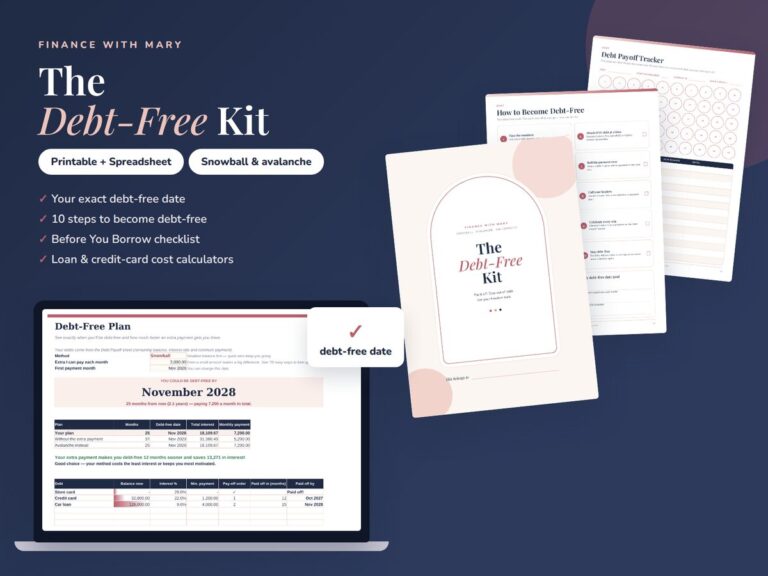
The Debt-Free Kit
Printables + spreadsheet: your debt-free date, a 10-step plan, payoff trackers and a Before You Borrow checklist.
