
There are few things better than a holiday — and few things worse than coming home to a credit card bill that takes a year to pay off. The good news: with a little planning, you can enjoy your trip knowing it’s already paid for.
Step 1: Decide where and when
A specific goal is far more motivating than “a holiday someday”. Pick a destination (or at least a type of trip) and a rough date. This tells you how many months you have to save.
Step 2: Estimate the full cost
Most people underestimate holidays because they forget the extras. Include:
- Flights or transport
- Accommodation
- Food and drinks
- Activities and tours
- Local transport and taxis
- Travel insurance
- Visas, airport parking or pet care at home
- Souvenirs and gifts
- A buffer of about 10% for surprises
Step 3: Work out your monthly saving
Total cost ÷ months until the trip = monthly saving
Example: a $2,400 trip in 10 months means saving $240 a month, or about $55 a week. If that feels too high, choose a later date, a cheaper destination or a shorter trip.
Step 4: Open a separate holiday fund
Keep your holiday money in its own savings account or pot so it doesn’t get mixed with everyday spending. This is a classic sinking fund. Set up an automatic transfer on payday.
Step 5: Find the extra money
- Cancel or pause a subscription until the trip
- Cook at home and put the takeaway money in the fund
- Sell things you no longer use
- Try a no-spend month
- Put birthday money, bonuses or tax refunds towards the trip
- Use a fun challenge like the 100 envelope challenge
Step 6: Save on the trip itself
- Travel off-peak. Avoiding school holidays can cut costs significantly.
- Be flexible with dates and compare flight prices across days.
- Book accommodation with a kitchen and cook some meals.
- Look for free activities — beaches, hikes, markets, museums with free days.
- Set a daily spending budget for the trip and track it.
Step 7: Pay cash (or pay the card off immediately)
Using a credit card for travel can be convenient and sometimes safer. That’s fine — as long as you pay the full balance from your holiday fund as soon as the bill arrives. The goal is no lingering debt.
What about “holiday now, pay later” deals?
Many travel companies offer instalment plans or financing. Before agreeing, read 10 questions to ask before you borrow and is buy now, pay later a good idea?. Paying in advance — saving instead of borrowing — means the holiday costs less and you come home stress-free.
Make saving visible
Print a picture of your destination and colour in a savings tracker as you go. Watching the fund grow builds excitement for the trip.
Frequently asked questions
How far in advance should I start saving?
Ideally six to twelve months before the trip. The longer you have, the smaller each monthly saving needs to be.
Should I book early to save money?
Often, yes — especially for flights and popular dates. But only book with money you already have in your holiday fund.
What if the trip costs more than I saved?
Choose a cheaper option, shorten the trip or move the date. It’s better to have a slightly smaller holiday than to come home with debt.
The Savings Challenge Pack includes a savings goal tracker with 100 squares to colour in — perfect for a holiday fund.
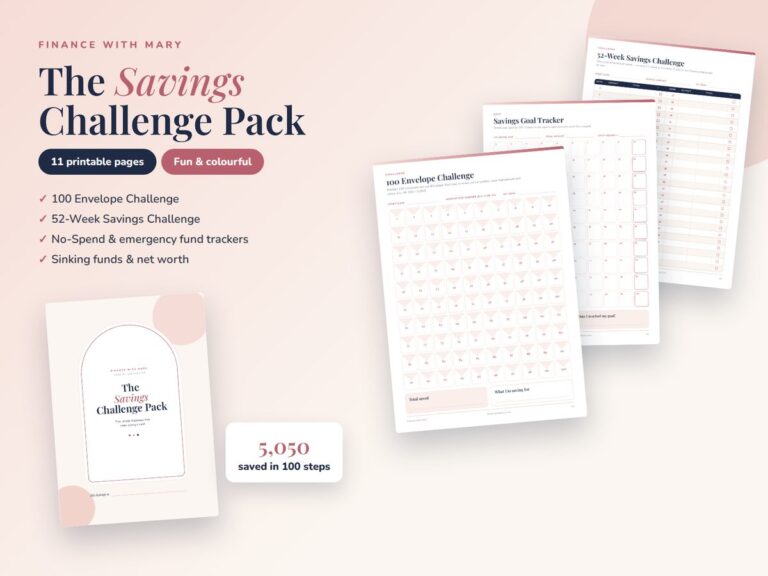
The Savings Challenge Pack
11 printable pages: 100 envelope, 52-week and no-spend challenges, plus savings goal and emergency fund trackers.
