

Groceries are one of the biggest expenses for most households — and one of the easiest to reduce. Unlike rent, you can change your grocery spending this week. Here are 25 practical ways to cut your food bill without eating badly.
Plan before you shop
- Plan your meals for the week. Even a rough plan prevents expensive last-minute takeaways.
- Shop your kitchen first. Build meals around what’s already in your fridge and cupboards.
- Write a list and stick to it. Impulse buys add up fast.
- Set a weekly grocery budget and track it.
- Plan for leftovers. Cook once, eat twice — dinner becomes tomorrow’s lunch.
Shop smarter
- Never shop hungry. Hungry shoppers buy more snacks and treats.
- Try store or local brands. They’re often similar quality for less.
- Compare unit prices (price per kg or litre), not package prices.
- Buy seasonal fruit and vegetables. They’re cheaper and fresher.
- Visit local markets near closing time for good deals.
- Buy in bulk only what you’ll use. Rice, lentils and oats are great; perishable bulk buys often get wasted.
- Look high and low on shelves. The most expensive items are usually at eye level.
- Limit shopping trips. Fewer trips means fewer impulse buys.
- Use loyalty programmes and coupons — but only for things already on your list.
- Shop alone if you can. Children (and partners!) often add extras.
Cook and store wisely
- Batch cook soups, curries and stews and freeze portions.
- Use cheaper proteins like eggs, beans, lentils and chickpeas a few nights a week.
- Store food properly so it lasts longer.
- Freeze before it spoils — bread, bananas, cooked rice and herbs all freeze well.
- Use “first in, first out”. Move older items to the front of the fridge.
- Have a “use it up” meal each week: stir-fry, soup or omelette with leftover vegetables.
Cut the hidden extras
- Bring lunch and snacks from home instead of buying them daily.
- Drink water instead of buying bottled drinks.
- Limit pre-cut and ready-made foods — you pay a lot for convenience.
- Count takeaways as part of your food budget so you see the true total.
How much could you save?
If a household spends $600 a month on groceries and takeaways, cutting just 15% saves $90 a month — over $1,000 a year. That’s enough to start an emergency fund or pay down a credit card.
Start with three changes
Don’t try all 25 at once. Pick three this week — for example, meal planning, a shopping list and one batch-cooked meal. Track your spending for a month and see the difference.
Frequently asked questions
What’s a good grocery budget?
It varies hugely by household size, location and diet. Track your spending for a month to find your starting point, then aim to reduce it gradually by 10–15%.
Is buying in bulk always cheaper?
Not always. Bulk only saves money if you use everything before it spoils. Compare unit prices and buy in bulk only for long-lasting staples you use often.
How do I stop food waste?
Plan meals, store food properly, freeze what you won’t use in time and have one ‘use it up’ meal each week.
Want to see exactly where your food money goes? Track it in the Weekly Spending Tracker in our printable planner, or log it in the Smart Budget Spreadsheet to see your grocery spending month by month.
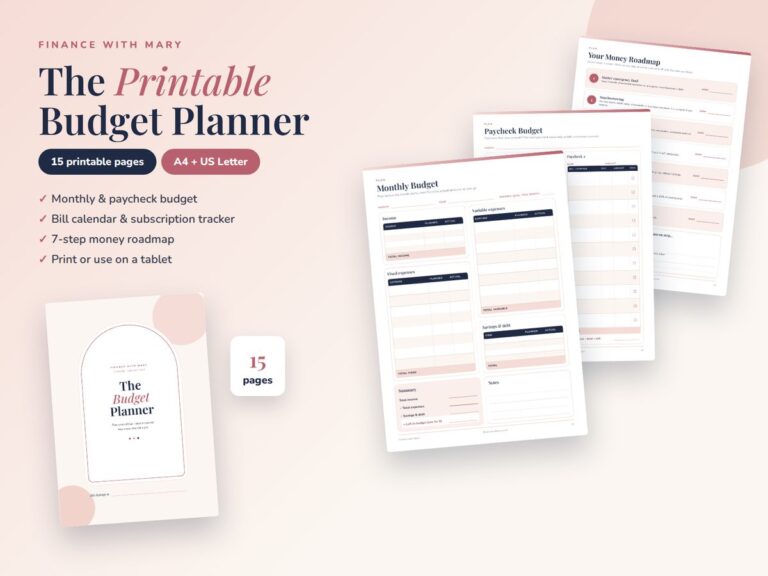
The Printable Budget Planner
15 beautiful printable pages: monthly and paycheck budgets, bill calendar, trackers and a 7-step money roadmap.
