
“I need a new phone.” “I need a holiday.” We use the word need a lot. But when it comes to money, telling the difference between a real need and a want is one of the most useful skills you can build.
What is a need?
A need is something essential for your health, safety and ability to earn a living. Without it, your life or work would be seriously affected. Examples:
- Basic housing
- Electricity and water
- Basic food
- Essential clothing
- Transport to work
- Healthcare and medicine
- Insurance you’re required to have
- Minimum debt payments
What is a want?
A want is something that makes life more enjoyable or convenient but isn’t essential. Examples:
- Eating out and takeaways
- Streaming services
- Designer or extra clothes
- The latest phone
- Holidays
- Hobbies and entertainment
Wants aren’t bad — they make life fun. The key is making sure needs and savings come first.
The grey areas
Many things are partly a need and partly a want:
- Food: groceries are a need; premium brands and takeaways are wants.
- Phone: a working phone is a need for most people; the newest model on an expensive plan is a want.
- Car: reliable transport may be a need; a brand-new luxury car is a want.
- Housing: a safe home is a need; extra bedrooms or a prime location may be wants.
A useful trick is to split these items: the basic version is the need, and anything above that is the want.
A simple test
Ask yourself:
- What would happen if I didn’t buy this?
- Is there a cheaper version that would meet the same need?
- Can it wait 30 days?
If nothing bad would happen, a cheaper version would do, or it can wait — it’s probably a want.
Why it matters for your budget
Popular budgeting methods like the 50/30/20 rule are built on this difference: around 50% for needs, 30% for wants and 20% for savings and debt. When money is tight, wants are the first place to cut — not your savings or essential bills.
Needs and wants change over time
Your needs depend on your life. A laptop might be a want for one person and an essential work tool for another. Children, health, location and work all shape what you truly need. Be honest, but don’t judge yourself.
How to use this today
- Look at last month’s bank statement.
- Mark each expense as N (need) or W (want).
- Add up each group.
- Ask: are there wants I didn’t really enjoy? Those are easy cuts.
Then redirect what you save to your emergency fund or debt payments.
Frequently asked questions
Is the internet a need or a want?
For many people today, a basic internet connection is a need for work, school and banking. Premium speeds or extra services may be wants.
Can wants be in my budget?
Absolutely. A budget with no wants usually doesn’t last. The aim is to plan for them after needs and savings are covered.
What if my needs take up most of my income?
Focus on reducing your biggest fixed costs over time and look for ways to increase income. Even small improvements free up money for savings.
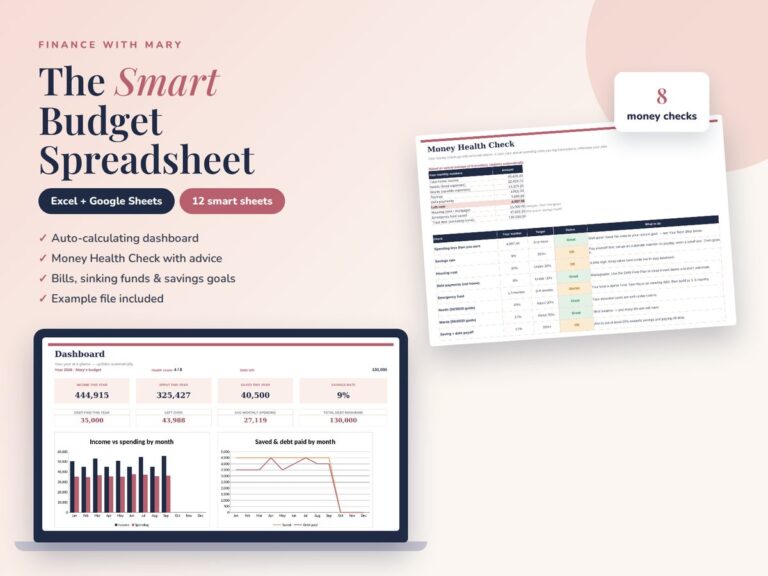
The Smart Budget Spreadsheet sorts your spending into needs (fixed costs) and wants (variable costs) and compares them with the 50/30/20 guide automatically.
 Most popular
The Smart Budget Spreadsheet
12 smart sheets: dashboard, Money Health Check with personal advice, bills, sinking funds, savings goals and more.
