

A “quick look” online turns into three items in your basket. A trip for milk ends with snacks, a candle and a new mug. Impulse buying is one of the most common ways money slips away — and shops and apps are designed to encourage it.
The good news: a few simple habits can make a big difference.
Why we buy on impulse
- Emotions: stress, boredom, sadness or celebration
- Convenience: one-click checkout and saved cards
- Marketing: “limited time”, “only 2 left”, flash sales
- Social media: constant exposure to things other people buy
Understanding your own triggers is the first step.
1. Use the 30-day rule
For anything that isn’t essential, write it down and wait 30 days. If you still want it — and it fits your budget — buy it then. Most of the time, the urge fades.
2. Remove saved card details
Delete your card from online shops and apps. Having to find your card and type the number adds a moment of friction — often enough to change your mind.
3. Unsubscribe and unfollow
Unsubscribe from shopping emails, turn off app notifications and unfollow accounts that make you want to buy things. Less temptation means fewer purchases.
4. Shop with a list
For groceries and errands, write a list and buy only what’s on it. If something isn’t on the list, it waits until next time.
5. Give yourself a fun-money budget
Banning all treats often backfires. A set amount of guilt-free spending money each month lets you enjoy things without derailing your budget. When it’s gone, it’s gone.
6. Calculate the cost in hours
Divide the price by your hourly take-home pay. A $90 pair of shoes might cost six hours of work. Is it worth it?
7. Ask three questions
- Do I need this, or do I want it right now? (See needs vs wants.)
- Where will I keep or use it?
- Would I buy it if it were full price?
8. Notice your triggers
For two weeks, write down every unplanned purchase and how you felt. Patterns appear quickly — maybe late-night scrolling or stressful workdays. Then plan a different response: a walk, a call, a cup of tea.
9. Give your money a goal
It’s easier to say no to small things when you’re saying yes to something bigger — a holiday, being debt-free or a full emergency fund. Keep a picture of your goal where you’ll see it.
Try a reset
If impulse spending feels out of control, a no-spend challenge for a week or a month can break the habit and show you how much you can save.
What about sales?
A sale only saves you money if you were going to buy the item anyway. Buying something you don’t need at 50% off isn’t saving 50%; it’s spending 50%.
Frequently asked questions
Is impulse buying always bad?
Not always. Small planned treats are part of a healthy budget. It becomes a problem when it regularly breaks your budget or stops you reaching your goals.
What’s the fastest way to reduce impulse buying?
Remove saved card details from shopping sites and use the 30-day rule. Adding a little friction makes a big difference.
Does deleting shopping apps really help?
Yes. Fewer notifications and less easy access mean fewer temptations.
Tracking every purchase is one of the most effective ways to reduce impulse spending. Our printable planner includes an Expense Log and Weekly Spending Tracker to help you see patterns.
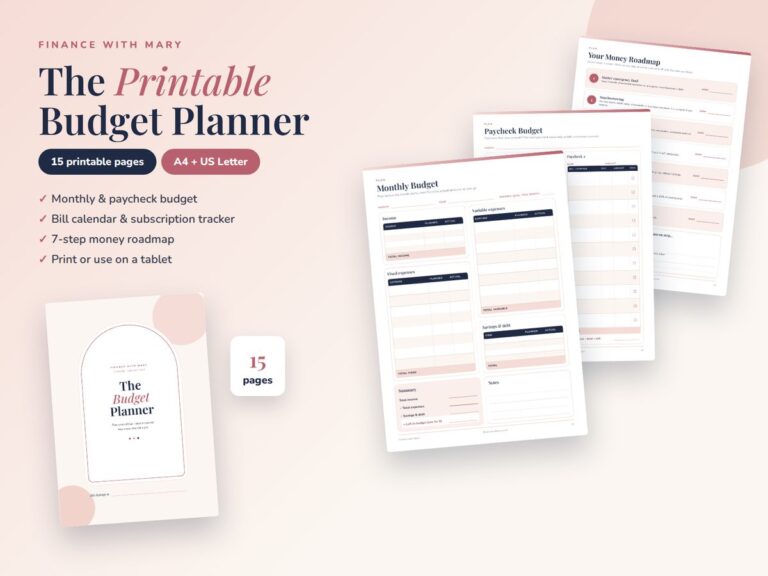
The Printable Budget Planner
15 beautiful printable pages: monthly and paycheck budgets, bill calendar, trackers and a 7-step money roadmap.
